Fertiliser Disposal
Surplus, caked or contaminated fertiliser needs careful handling because some products are oxidising and others are harmful to watercourses. We collect waste fertiliser from farms, nurseries, groundscare contractors and distributors.
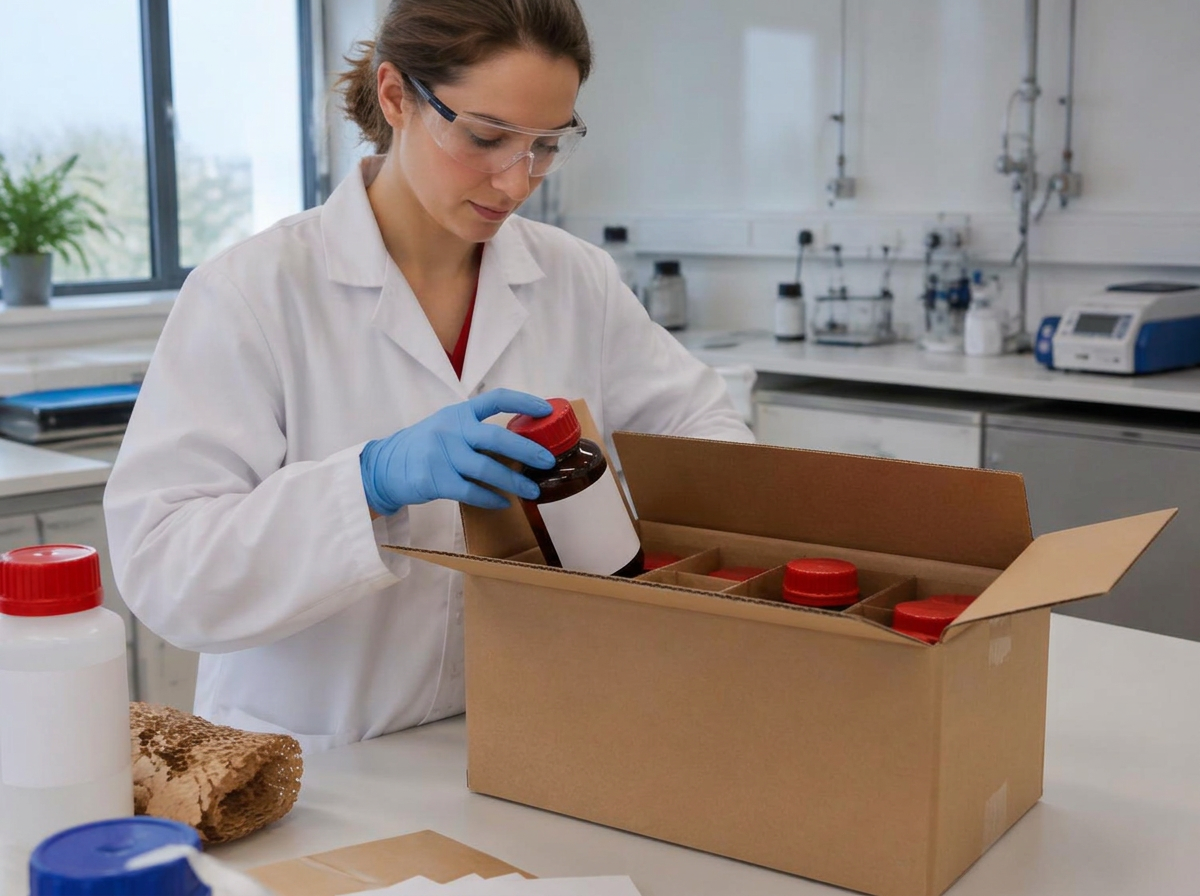
How we handle waste fertiliser
Ammonium nitrate based fertilisers are oxidising and support combustion, so they must be kept away from fuels, oils and combustible materials. Damaged bags, spillage sweepings and water damaged product are the most common wastes we are asked to remove.
Liquid fertilisers and nutrient solutions are collected in IBCs or by tanker. Keep them out of surface water drains, because nutrient runoff into a watercourse is a reportable pollution incident.
Where product is still within specification, the better outcome is usually reuse rather than disposal, and we will look at that first. Where the material is spoiled, it is sent for treatment or recovery at a permitted site.
Frequently asked questions
Is waste fertiliser hazardous?
It depends on the product. Many ammonium nitrate based fertilisers are oxidising and classed as hazardous, while some organic products are not. Send us the safety data sheet and we will confirm.
Can surplus fertiliser be recycled?
Product still within specification can often be reused or reprocessed. Spoiled or contaminated material goes for treatment at a permitted facility.
More named chemical disposal pages
Nationwide hazardous waste collection, wherever your site is
From a single drum in a lock up to a full site clearance, we collect across England, Scotland and Wales with the paperwork handled for you.