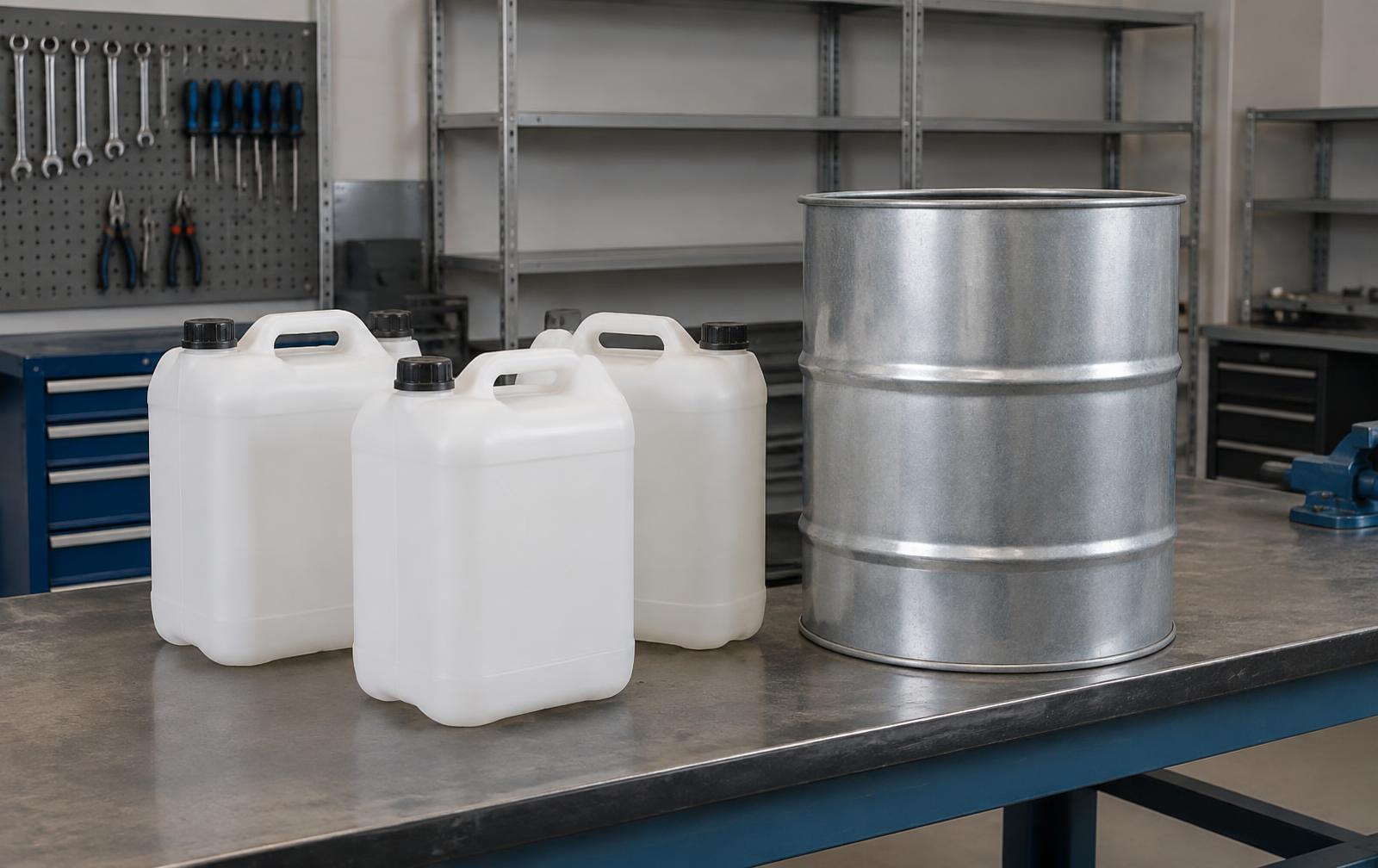
Antifreeze Disposal
Licensed collection of waste antifreeze, glycol and radiator flushings from workshops, plant depots and manufacturing sites.
How our antifreeze disposal service works
Waste antifreeze is hazardous and must never be poured into the drain or a general waste oil tank. We can collect the glycol and send it for recovery or disposal at a licensed disposal site.
Every collection includes the same standard of care as a matter of course. The material is taken to licensed disposal or recycling sites in our network, and your hazardous waste consignment note is returned to you for your records.
Antifreeze disposal we collect
- Waste ethylene glycol antifreeze
- Propylene glycol antifreeze
- Radiator flushings
- Glycol contaminated water
- Heat transfer and chiller fluids
- Empty antifreeze containers
Request a quote for antifreeze disposal
Send us the details and our experts will come back to you with a quote, packaging guidance where required, and a collection date that suits your site.
The importance of safe antifreeze disposal
Antifreeze disposal is controlled for good reason. Handled badly it puts people, drains and watercourses at risk. Doing it properly protects your staff, your business and the environment.
Protects your people
Compatible containers, correct labelling and trained handling remove the burn, fume and reaction risks that come with badly stored waste.
Keeps you compliant
Duty of care follows the waste. Licensed carriage, licensed disposal sites and accurate paperwork give you the evidence you need.
Protects the environment
Where the stream allows we recover rather than destroy, so useful material goes back into productive use.
Why businesses choose our professional service
We can look after the whole movement, from collecting the waste to returning the signed consignment note, so your team is not left chasing paperwork.
- 01
Licensed waste carrier
Registered waste carriers using licensed disposal sites, with documentation for your records.
- 02
Trained people, correct equipment
ADR trained drivers, compliant vehicles and UN approved packaging are available for specific waste types.
- 03
Nationwide collection
We cover the whole of the country, from a single drum to a full site clearance.
- 04
Clear pricing and planning
Written quotations with no hidden charges, and collections scheduled around your site hours.
Our hazardous waste disposal process
- 01
Get in touch
Send us the waste type, volume, storage information, images and collection address. We will then provide you with a quote.
- 02
Collection and transport
The waste is then collected and transported to one of the licensed disposal or recycling sites in our network.
- 03
Delivered and documented
The waste is handled by the receiving site, and your signed hazardous waste consignment note is returned for your Duty of Care records.

Antifreeze disposal questions answered
Common questions asked for commercial and industrial sites. If your question is not here, call 0845 366 9306 and our experts will answer it.
Is waste antifreeze hazardous waste?
Yes. Glycol based antifreeze is harmful and classed as hazardous waste, so it must be collected by a registered carrier with a consignment note.
Can antifreeze be recycled?
Used antifreeze can often be recovered and reprocessed where it has been kept separate from oil and fuel, so keep drums segregated.
Who do you collect antifreeze from?
Garages, fleet workshops, plant depots, manufacturers and facilities teams across the UK.
How should waste antifreeze be stored?
In closed, labelled, compatible drums within secondary containment, away from drains.
Other hazardous waste we collect
Nationwide hazardous waste collection, wherever your site is
From a single drum to a full site clearance, we collect across England, Scotland and Wales with the paperwork handled for you.