Cyanide Waste Disposal
Cyanide waste is acutely toxic and releases hydrogen cyanide gas on contact with acid. It requires specialist handling, strict segregation and treatment at a permitted facility. Do not attempt to neutralise it yourself.
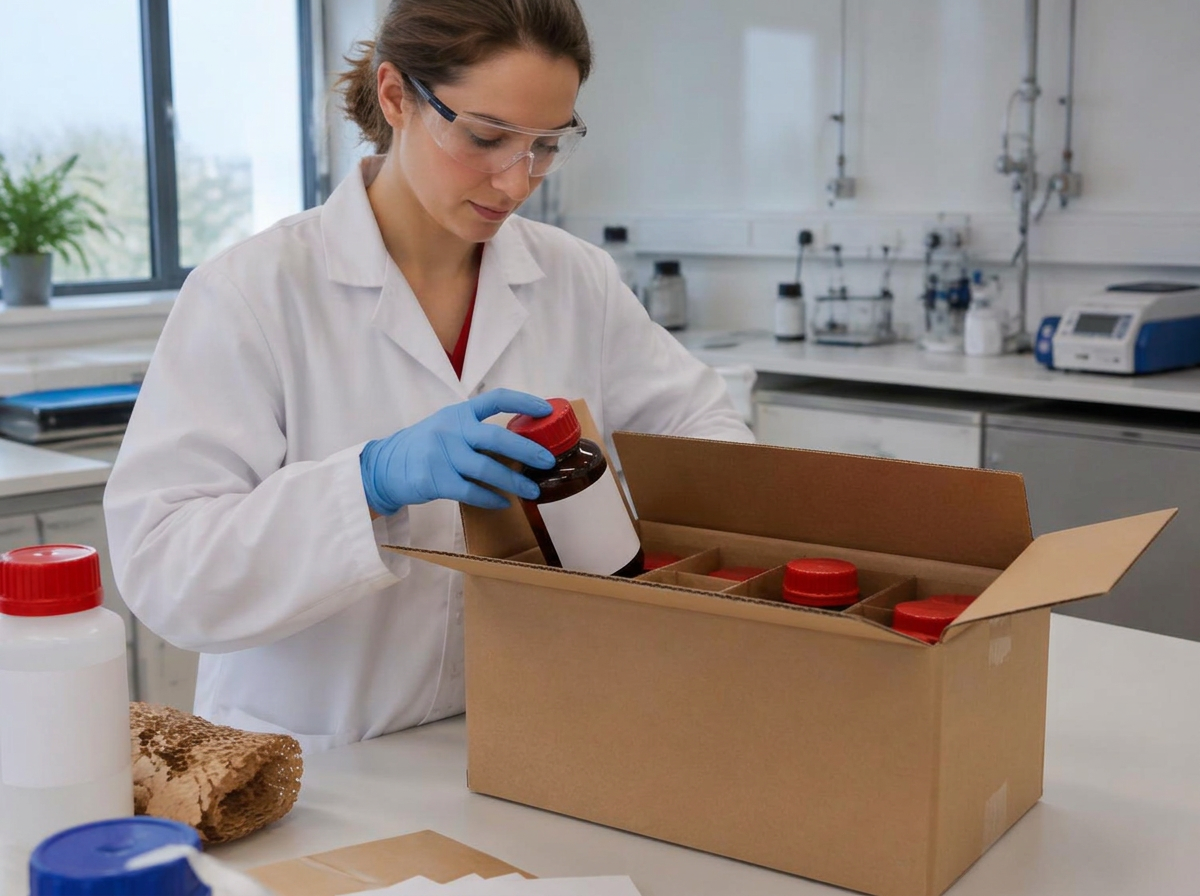
How we handle waste cyanide
Cyanide bearing waste is produced by metal plating and heat treatment lines, photographic processing, mining laboratories and some analytical chemistry. Typical wastes include spent plating baths, rinse waters, salts and laboratory reagents.
The single most important control is segregation. Cyanide waste must be kept strictly apart from acids and from acidic waste streams, in clearly labelled, sealed containers, in an area where an accidental mix cannot occur. Keep the storage area secure and restricted to trained staff.
Collections are made by ADR trained drivers under full regulatory control, and the waste is treated by chemical oxidation at a permitted treatment facility. Part E of the consignment note is returned to you as evidence of destruction.
Frequently asked questions
Can cyanide waste be mixed with other chemical waste?
Never. Contact with acid generates hydrogen cyanide gas. Cyanide waste is stored and transported strictly separately.
How is cyanide waste treated?
By chemical oxidation at a permitted treatment plant, which destroys the cyanide before the remaining effluent is treated.
More named chemical disposal pages
Nationwide hazardous waste collection, wherever your site is
From a single drum in a lock up to a full site clearance, we collect across England, Scotland and Wales with the paperwork handled for you.